

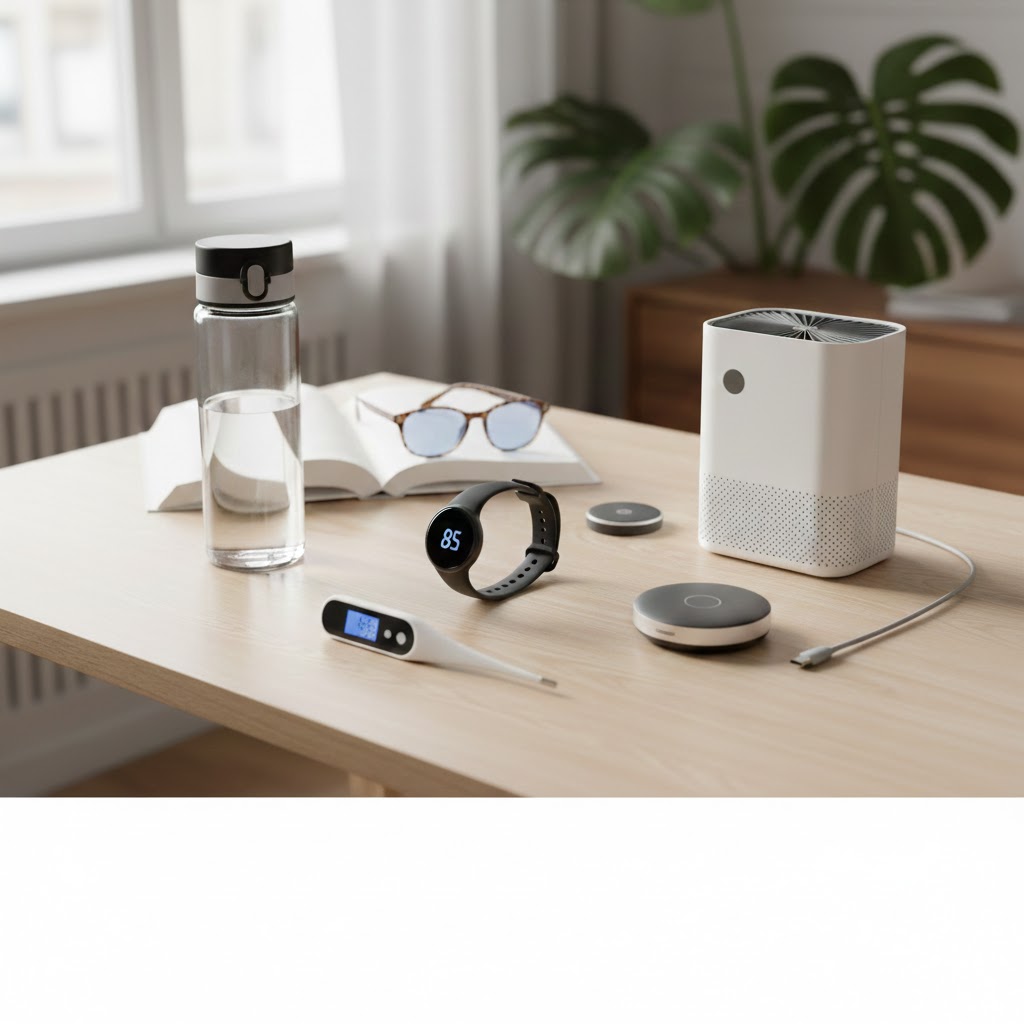
Affordable Gadgets That Improve Daily Health
In today’s fast-paced world, maintaining good health can be challenging. Fortunately, technology has made it easier to monitor and improve your daily well-being. You don’t need expensive equipment or complicated devices. There are plenty of affordable gadgets designed to help you stay healthier, more active, and more mindful in your everyday life. In this article, we will explore practical, budget-friendly gadgets that can make a real difference in your health routine.
Why Affordable Health Gadgets Are Important
Health is often considered a luxury, but it doesn’t have to be. Affordable gadgets allow everyone to track their fitness, sleep, and other vital metrics without breaking the bank. These gadgets encourage healthy habits, help you identify issues early, and motivate you to stay consistent. Investing in small, inexpensive devices can lead to long-term improvements in your physical and mental health.
Top Affordable Gadgets for Daily Health
1. Fitness Trackers
Fitness trackers are compact devices worn on your wrist that monitor physical activity. They track steps, calories burned, distance walked, and sometimes even heart rate. Some models also monitor sleep quality and provide reminders to move throughout the day.
Why it helps:
Encourages more daily movement
Helps maintain weight goals
Monitors heart rate trends for early detection of potential issues
Popular budget-friendly options: Many brands offer reliable trackers for under $50. Look for models with long battery life and accurate step tracking.
2. Smart Water Bottles
Proper hydration is essential for overall health, but many people forget to drink enough water. Smart water bottles remind you to drink throughout the day and track your water intake via a connected app.
Why it helps:
Prevents dehydration
Supports skin health and digestion
Encourages consistent hydration habits
Affordable tip: Some smart bottles with basic tracking features cost less than $40 and don’t require constant app syncing.
3. Digital Thermometers
Digital thermometers have become more advanced and affordable. They provide quick and accurate readings, making it easier to monitor your health at home.
Why it helps:
Early detection of fever or illness
Easy to use for all family members
Reduces unnecessary doctor visits
Budget-friendly options: Infrared thermometers and flexible-tip digital thermometers are available under $25 and offer reliable performance.
4. Posture Correctors and Smart Posture Devices
Many people spend hours sitting at desks, leading to back and neck problems. Affordable posture gadgets can alert you when you slouch and help train your muscles to maintain a correct posture.
Why it helps:
Reduces back pain and stiffness
Improves spinal alignment
Promotes better breathing and digestion
Affordable choices: Simple wearable posture sensors can be found for $20–$40. Some devices pair with apps for progress tracking.
5. Compact Air Purifiers
Clean air is crucial for respiratory health, especially in urban areas. Small, portable air purifiers remove dust, allergens, and pollutants from your immediate environment.
Why it helps:
Reduces allergy and asthma symptoms
Improves sleep quality
Boosts overall respiratory health
Cost-effective models: Desktop or personal air purifiers are available under $50 and are energy-efficient for daily use.
6. Blue Light Glasses
Extended screen time can strain your eyes and disrupt sleep patterns. Blue light glasses filter out harmful screen light and reduce eye fatigue.
Why it helps:
Prevents headaches caused by screen glare
Supports healthy sleep by regulating melatonin
Reduces eye strain during long work or study hours
Affordable tip: Many stylish blue light glasses are available online for $15–$30, making them a simple health investment.
7. Sleep Trackers
Good sleep is foundational to overall health. Sleep trackers help monitor patterns and suggest improvements to your bedtime routine.
Why it helps:
Provides insight into sleep quality and duration
Helps adjust routines for better rest
Supports mental and physical health
Budget-friendly options: Basic sleep-tracking devices or smart wristbands under $50 provide valuable insights without complicated features.
8. Resistance Bands and Portable Exercise Equipment
Physical activity doesn’t require a gym membership. Resistance bands, jump ropes, and portable dumbbells are affordable tools for home workouts.
Why it helps:
Builds strength and endurance
Improves flexibility and mobility
Can be used anywhere, anytime
Cost-effective tip: Resistance band sets cost as little as $15 and come with different resistance levels to suit beginners to advanced users.
Tips for Choosing Affordable Health Gadgets
Set your goals: Know whether you want to track fitness, sleep, posture, or overall wellness.
Read reviews: Look for accurate, durable, and easy-to-use devices.
Check battery life: Long-lasting devices save hassle and money.
Consider app compatibility: Some gadgets are more useful when paired with user-friendly apps.
Start small: You don’t need all gadgets at once. Begin with one or two that address your main health needs.
FAQs About Affordable Health Gadgets
Q1. Do cheap health gadgets really work?
Yes. Many affordable gadgets provide reliable results. The key is to choose devices from reputable brands and check user reviews before purchasing.
Q2. Can I improve my health without expensive equipment?
Absolutely. Small gadgets like fitness trackers, water bottles, and posture sensors are effective tools for improving daily health without high costs.
Q3. Are these gadgets suitable for all ages?
Most gadgets are user-friendly and suitable for adults. Some devices, like digital thermometers, are also safe for children with proper guidance.
Q4. How often should I use these gadgets?
Consistency is important. Daily use is recommended for fitness trackers, water bottles, and sleep trackers. Other devices, like posture correctors, should be used according to personal comfort.
Q5. Can gadgets replace professional medical advice?
No. Gadgets help track and encourage healthy habits, but they cannot replace consultation with healthcare professionals when needed.