

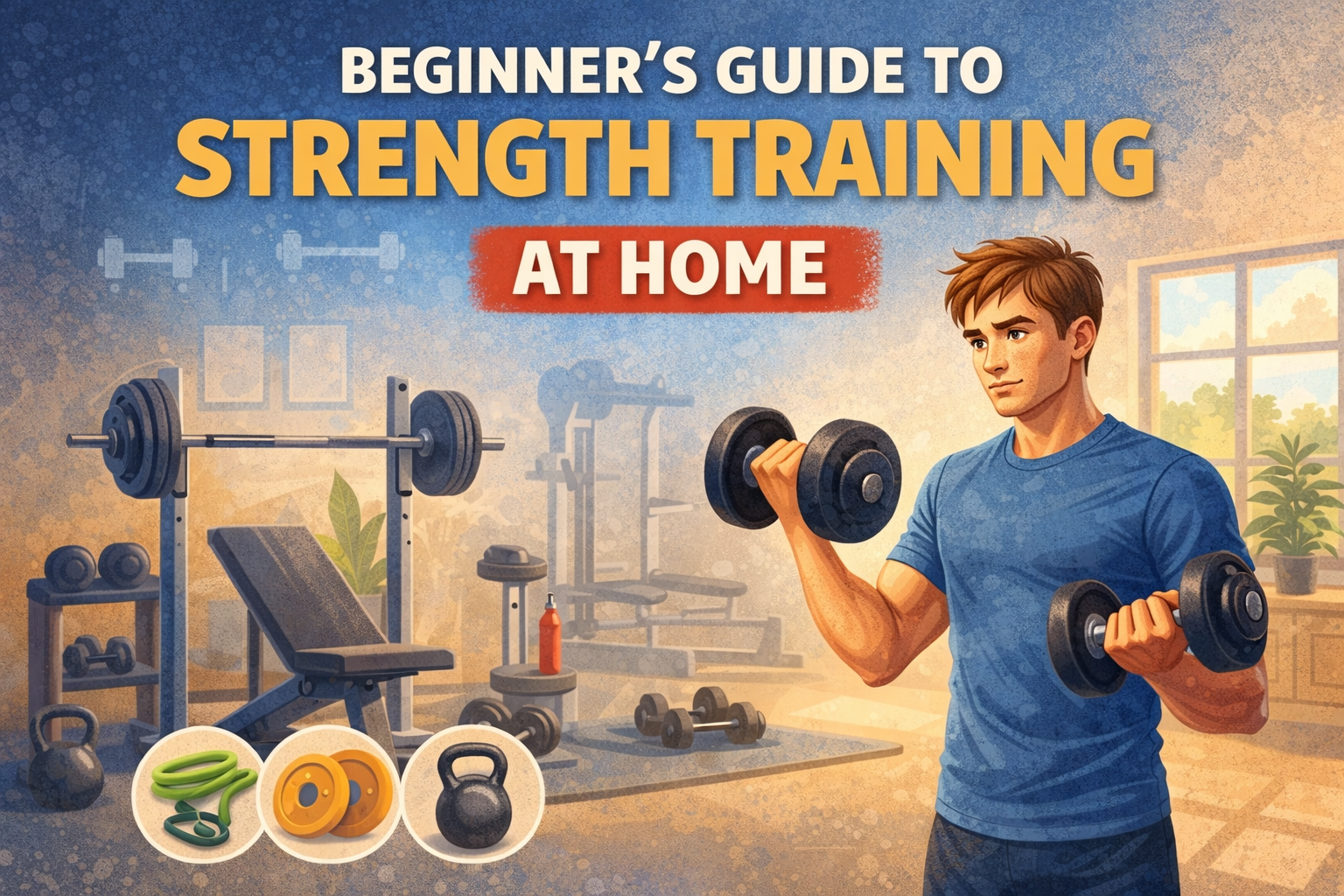
Beginner’s Guide to Strength Training at Home
Strength training is not just for bodybuilders or athletes—it’s a vital part of staying healthy, improving posture, boosting metabolism, and increasing overall strength. If you’re new to exercising, starting a strength training routine at home can feel overwhelming. But with the right guidance, anyone can build strength, tone muscles, and feel more confident. This beginner’s guide will walk you through everything you need to know to get started safely and effectively.
Why Strength Training at Home is a Great Choice
Home workouts have grown in popularity because they are convenient, cost-effective, and flexible. You don’t need a gym membership, expensive equipment, or a lot of space to start building strength. Strength training at home allows you to:
Save time and money – Skip commuting to the gym.
Workout at your own pace – Focus on your progress without distractions.
Stay consistent – Easy to fit into your daily routine.
Strength training isn’t only about looking good—it improves bone health, joint stability, and reduces the risk of injuries.
Getting Started: Essential Equipment
You don’t need a lot to begin strength training at home. Start with simple and affordable equipment:
1. Dumbbells or Adjustable Weights
Dumbbells allow you to target different muscle groups. Beginners can start with light weights and gradually increase.
2. Resistance Bands
These are versatile and perfect for exercises like squats, rows, and chest presses.
3. Bodyweight
You can build strength without equipment using push-ups, squats, lunges, and planks.
4. Optional Equipment
Stability Ball – Helps improve core strength.
Pull-Up Bar – Great for upper body workouts.
Remember, consistency is more important than having all the fancy equipment.
Basic Principles of Strength Training
Before jumping into exercises, understanding the basics will make your workouts safer and more effective.
1. Focus on Major Muscle Groups
Train all major muscles including legs, back, chest, shoulders, arms, and core. Balanced training reduces the risk of injury.
2. Start Slow
Begin with lighter weights or bodyweight exercises. Gradually increase intensity as your strength improves.
3. Proper Form Matters
Correct form ensures you’re working the target muscles and prevents injuries. Consider watching tutorial videos or following a coach online.
4. Progressive Overload
To get stronger, gradually increase the resistance or number of repetitions over time. This is key for muscle growth.
5. Rest and Recovery
Muscles grow when you rest. Avoid training the same muscle group on consecutive days.
Beginner-Friendly Strength Training Exercises at Home
Here’s a list of effective exercises you can start with:
Upper Body
1. Push-Ups
Targets chest, shoulders, and triceps. Start on your knees if regular push-ups are too difficult.
2. Dumbbell Shoulder Press
Strengthens shoulders and upper back. Sit or stand, press dumbbells overhead, and lower slowly.
3. Resistance Band Rows
Works your back and biceps. Anchor the band, pull it towards your chest, and squeeze your shoulder blades.
Lower Body
1. Squats
Targets quads, hamstrings, glutes, and core. Keep your back straight and knees behind toes.
2. Lunges
Excellent for balance and leg strength. Step forward, lower your body, and push back to starting position.
3. Glute Bridges
Lifts and strengthens glutes while stabilizing your lower back. Lie down, lift hips, and squeeze glutes at the top.
Core Exercises
1. Plank
Strengthens your abs, back, and shoulders. Hold a straight line from head to heels.
2. Russian Twists
Targets obliques. Sit with knees bent, lean back slightly, and twist your torso side to side.
3. Mountain Climbers
Great for core endurance and also adds a cardio element.
Sample Beginner Workout Plan
Here’s a simple weekly plan you can follow:
Day 1: Upper Body
Push-Ups: 3 sets of 10–12 reps
Dumbbell Shoulder Press: 3 sets of 12 reps
Resistance Band Rows: 3 sets of 12 reps
Day 2: Lower Body
Squats: 3 sets of 15 reps
Lunges: 3 sets of 10 reps per leg
Glute Bridges: 3 sets of 12 reps
Day 3: Rest or Light Cardio
Day 4: Full Body
Squats: 3 sets of 12 reps
Push-Ups: 3 sets of 10 reps
Plank: 3 sets, hold for 20–30 seconds
Mountain Climbers: 3 sets of 30 seconds
Day 5: Rest or Stretching
Repeat weekly, gradually increasing weight or repetitions.
Tips to Stay Motivated
Starting a new routine can be challenging, but staying consistent is the key to success.
Set Realistic Goals – Begin with small, achievable targets.
Track Your Progress – Note improvements in strength, endurance, or reps.
Workout with Music or Videos – Keeps workouts engaging.
Celebrate Milestones – Reward yourself for consistency.
Common Mistakes to Avoid
Skipping Warm-Up – Warming up prevents injuries.
Lifting Too Heavy Too Soon – Can lead to strains or injuries.
Neglecting Form – Always prioritize proper technique.
Ignoring Rest Days – Muscles need time to recover and grow.
Nutrition and Recovery
Strength training isn’t just about exercise. Proper nutrition and rest are equally important:
Protein Intake – Helps repair and build muscles. Include eggs, chicken, fish, or plant-based proteins.
Hydration – Drink plenty of water to stay energized.
Sleep – 7–9 hours of sleep supports recovery.
Stretching – Helps improve flexibility and reduces soreness.
FAQs About Strength Training at Home
Q1. Can I build muscle without weights?
Yes! Bodyweight exercises like push-ups, squats, lunges, and planks can build strength effectively. Resistance bands are also a great alternative to weights.
Q2. How often should a beginner strength train?
2–4 times per week is ideal. Focus on major muscle groups and allow rest days for recovery.
Q3. Is strength training safe for all ages?
Yes, but beginners should start slow, focus on proper form, and consult a doctor if they have pre-existing conditions.
Q4. How long before I see results?
With consistent workouts and proper nutrition, most beginners notice strength improvements in 4–6 weeks. Muscle tone and shape changes usually take 8–12 weeks.
Q5. Do I need supplements for strength training?
Supplements are optional. A balanced diet with enough protein, carbs, and healthy fats is usually sufficient.