

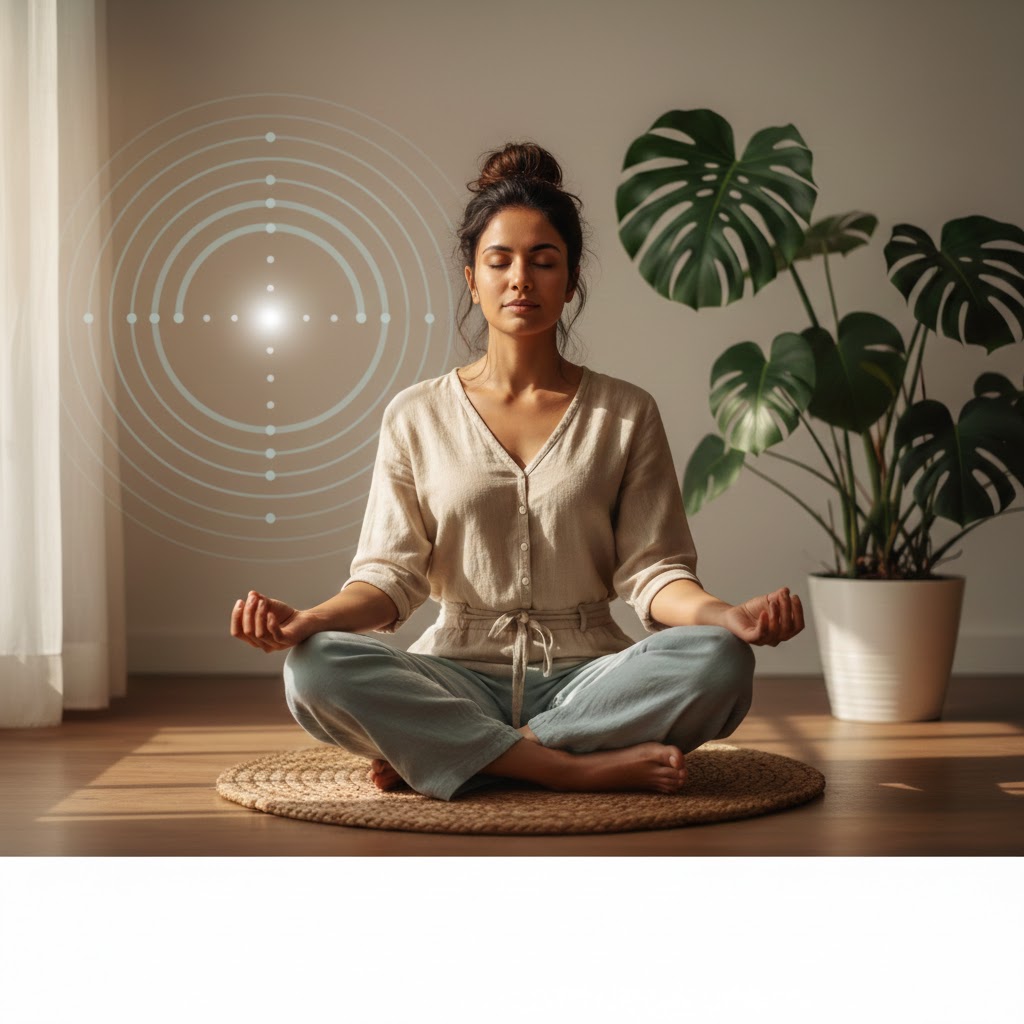
Effective Breathing Techniques to Reduce Stress
In today’s fast-paced world, stress has become a common part of life. From work deadlines to personal responsibilities, the constant pressure can take a toll on both your mind and body. One of the simplest yet most powerful ways to manage stress is through proper breathing techniques. Breathing may seem automatic, but learning how to control it can help calm your nervous system, reduce anxiety, and improve overall well-being.
In this article, we will explore effective breathing techniques that are easy to practice and can make a noticeable difference in your daily life.
How Stress Affects Your Body
Before we dive into breathing techniques, it’s important to understand how stress affects your body. Stress triggers the release of hormones like cortisol and adrenaline, which prepare your body for a “fight or flight” response. While this reaction is helpful in emergencies, chronic stress can lead to negative effects such as:
Increased heart rate and blood pressure
Muscle tension
Headaches and fatigue
Anxiety and irritability
Poor sleep quality
Controlled breathing can counteract these effects by activating the body’s relaxation response, lowering heart rate, and reducing stress hormone levels.
Benefits of Breathing Techniques for Stress Reduction
Practicing breathing exercises regularly offers a wide range of benefits, including:
Lowered stress and anxiety: Slow, deep breathing signals your body to relax.
Improved focus and concentration: Oxygen-rich blood helps your brain function better.
Better sleep: Relaxing your body before bedtime can improve sleep quality.
Enhanced emotional control: Breathing exercises help you respond calmly to stressful situations.
Improved overall health: Reduced stress supports a healthier heart, immune system, and digestion.
Now, let’s explore the most effective breathing techniques you can try.
1. Deep Diaphragmatic Breathing
Diaphragmatic breathing, also called belly breathing, helps you take deeper breaths that fully engage your lungs.
How to do it:
Sit or lie down comfortably.
Place one hand on your chest and the other on your belly.
Inhale slowly through your nose, letting your belly rise while keeping your chest still.
Exhale slowly through your mouth, feeling your belly fall.
Repeat for 5–10 minutes daily.
Why it works: Deep diaphragmatic breathing increases oxygen intake, slows your heart rate, and activates the parasympathetic nervous system, which promotes relaxation.
2. Box Breathing Technique
Box breathing, also known as four-square breathing, is a simple method used by athletes and even military personnel to stay calm under pressure.
How to do it:
Inhale slowly for 4 counts.
Hold your breath for 4 counts.
Exhale slowly for 4 counts.
Hold again for 4 counts.
Repeat for several minutes.
Why it works: Box breathing regulates your breathing rhythm, reduces anxiety, and helps you regain focus when feeling overwhelmed.
3. Alternate Nostril Breathing
Alternate nostril breathing, or Nadi Shodhana, is a traditional yoga technique that balances your nervous system.
How to do it:
Sit comfortably with a straight back.
Close your right nostril with your thumb and inhale deeply through your left nostril.
Close your left nostril with your ring finger, release your thumb, and exhale through the right nostril.
Inhale through the right nostril, close it, and exhale through the left.
Repeat for 5–10 cycles.
Why it works: This technique improves oxygen flow, calms the mind, and reduces feelings of stress and tension.
4. 4-7-8 Breathing Technique
The 4-7-8 breathing method is simple and highly effective for relaxation and better sleep.
How to do it:
Sit or lie down comfortably.
Inhale quietly through your nose for 4 seconds.
Hold your breath for 7 seconds.
Exhale completely through your mouth for 8 seconds.
Repeat 4–8 times.
Why it works: This technique slows down your heart rate and clears your mind, making it easier to relax during stressful moments.
5. Mindful Breathing
Mindful breathing combines deep breathing with meditation. It helps you focus on the present moment and release anxious thoughts.
How to do it:
Sit quietly in a comfortable position.
Close your eyes and take a few deep breaths.
Focus on the sensation of your breath entering and leaving your body.
If your mind wanders, gently bring your attention back to your breath.
Practice for 5–15 minutes daily.
Why it works: Mindful breathing helps you become aware of your body and thoughts, reducing stress and promoting emotional balance.
Tips for Practicing Breathing Techniques
Consistency is key: Practicing daily, even for a few minutes, makes a big difference.
Choose a quiet environment: It helps you focus better without distractions.
Combine with other relaxation methods: Yoga, meditation, or a short walk can enhance the benefits.
Listen to your body: Start slowly and avoid straining your lungs.
Breathing is something we often take for granted, but it has incredible power to reduce stress and improve mental and physical health. Techniques like diaphragmatic breathing, box breathing, alternate nostril breathing, 4-7-8 breathing, and mindful breathing can be practiced anytime, anywhere to restore calm and focus.
By dedicating a few minutes daily to controlled breathing, you can lower stress, improve sleep, and enhance overall well-being. Start small, stay consistent, and you’ll notice the positive changes in your mind and body.
FAQs About Breathing Techniques and Stress
Q1: How long does it take for breathing exercises to reduce stress?
Most people feel a calming effect within a few minutes. Regular daily practice enhances long-term stress reduction.
Q2: Can breathing techniques replace medication for anxiety?
Breathing exercises are a natural way to reduce stress and anxiety, but they should not replace prescribed medication unless advised by a doctor. They can be used alongside other treatments.
Q3: How often should I practice these techniques?
Even 5–10 minutes daily can help. You can increase the duration as you get comfortable.
Q4: Can kids benefit from breathing exercises?
Yes! Children can learn simple breathing techniques to manage emotions, improve focus, and sleep better.
Q5: Is it normal to feel dizzy while practicing deep breathing?
Yes, if you take very deep breaths too quickly, it can cause lightheadedness. Slow down your breathing and resume gradually.
Using these techniques, anyone can take control of their stress and improve overall wellness. Breathing is free, simple, and incredibly effective—make it a part of your daily routine and feel the difference.