
Eyewear has grown to be so much more than its original purpose of corrective eyewear. Eyewear has transitioned away from simple exploring medical device of frames and lenses for restorative vision, it now supports a multi-billion dollars worldwide industry, reversing trending positive growth of global eyewear through fashion, technology, and health. Eyewear today is not simply a matter of good vision, it acts like a fashion accessory.
A Brief Look into Eyewear History
Vision aides date back to Italy in the 13th century; and some of the first rudimentary magnifying glasses (and made from quartz or beryl) led to the eventual development of glasses. By the 18th century, thanks to technology improvements such as bifocals by Benjamin Franklin; eyewear changed from being rare and handcrafted to common and accessible personal accessories due to increasing demands on vision and the world's industrialized nature.
Types of Eyewear
Clearly, the modern eyewear market is complex and diverse.Prescription glasses, sunglasses, blue light glasses and safety glasses are all designed differently and serve different purposes and work differently.
Prescription glasses correct your refractive errors of the vision system, which include myopia, hyperopia, astigmatism, presbyopia, and so on.
New technologies in optometry allow today’s lenses to be prescribed down to the smallest fraction, providing precise vision correction.
Most sunglasses are UV protective eyewear but have become a fashion statement. From aviators to oversized celebrity glasses, sunglasses are useful, at least to some extent, to pedants and whims alike.
Blue Light Glasses are a newer type of glasses primarily for decreasing digital eye strain. With most of our lives being spent in front of screens, these glasses have become very popular with remote workers and students alike.
Safety Goggles and Sports Spec are designed to be impact resistant, and are important when being active in environments such as laboratories, building or construction sites, and competitive or recreational sports, often with strict standards and testing for safety.
Materials and Craftsmanship
The category of eyewear is far different, and there is an array of styles made using a wide array of materials. The frame styles made from metal and plastics have also been manufactured from other eco-friendly materials such as bamboo or recycled ocean plastics or bio-acetatate. The frame material, including a lightweight and durable titanium frame that is also hypoallergic, is becoming an increasingly favorable option among customers, as they may also be an outstanding option for some individuals TR-90 isn't a polymer but rather a thermoplastic material; it is flexible, durable, and has a host of possibilities ace to provide customers flexibility with fit and style.
Lens technology has also come a long way. Anti-reflective coatings, scratch resistance, polarization, and photochromic transitions are considered standard in premium eyewear. Some lenses now rely on artificial intelligence to adjust tint and contrast, based on its environment.
Eyewear as a Fashion Statement
Eyewear has been adopted by designers and fashion houses as a unique accessory. Eyewear has gone from being a function of need to being a curatorial aspect of personal aesthetic. As runway collections transitioned to street-style inspiration, brands like Ray-Ban, Prada, Gucci, Warby Parker and so many others began to push the lines between necessity and accessory even farther out.
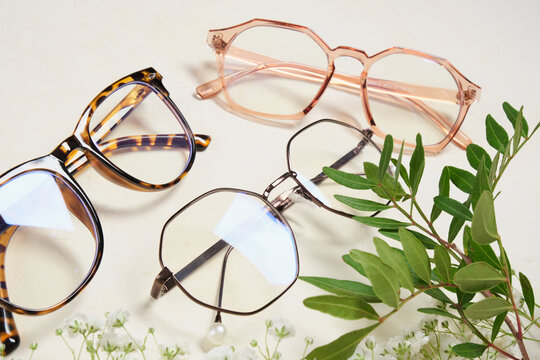
Eyewear trends have been fun to follow. Whether it's cat-eye retro frames, thick metal minimalist frames, or independent frames in geometric shapes, there is a fluidity to fashion trends. Choose your color palette from jet black, tortoiseshell or neon and unmemorable transparent pastels. Eyewear trends are of course heavily influenced by celebrity and influencer stylings making eyewear an ever moving target of pop-culture.
The Digital Shift in Eyewear Retail
E-commerce has changed the landscape of shopping in a way that no other market has or will. Instead of visiting a pharmacy or optical shop, potential eyewear customers can now virtually try on hundreds of styles, using augmented reality, with the help of a smartphone or a computer's webcam. It has also made eyewear more accessible to all demographics, not only due to the cost-effectiveness through online retailers such as Zenni Optical and GlassesUSA, but also through online retailers that allow you to receive a try-on kit at home.
Customization is also trending. Users can design their own frames, choose lens types, and add personal engravings. Some brands even use facial scanning technology to create bespoke glasses that fit each user’s features perfectly.
Eyewear and Eye Health
Sunglasses serve a function beyond looking good, they contribute to the health of your eyeballs and the tissues in your eyes! Sunglasses with UV400 will prevent damage done to the retina and the cornea. Prescription glasses prevent eyestrain by ensuring lenses are capable of preventing eye fatigue, headaches, and long term damage from excessive demand. Specialized and custom eyewear for children and seniors provides unique focus characteristics at different life development stages.
Optometrists encourage regular eye examinations for all individuals; particularly for those who spend prolonged engagement time consuming digital screen materials. Because violin changes in vision often go unnoticed, incorrect eyewear (or lack thereof) can lead to fatigue, discomfort, and/or blurred vision for users. New advancements in eye care diagnostics have opened the door for precise and accurate lens prescriptions ensuring more comfort for individuals needing corrective lenses.
The Future of Eyewear
The advancements in wearable technology are pushing eyewear innovation. Smart glasses with cameras, microphones, speakers, and augmented reality displays are already being tested and marketed by Meta, Google, and Xiaomi. The glasses combine digital and physical worlds for hands-free experiences ranging from communication to navigation.
In addition to the focus on new technology, sustainability is a major area of concern. Eco-conscious consumers want ethical manufacturing, recyclable materials, and minimal-waste packaging. Eyewear brands are responding to eco-conscious demand with closed-loop production systems and take-back initiatives that recycle old frames into new ones.