
TikTok vs Instagram: How Brands Are Using Memes to Connect with Audiences
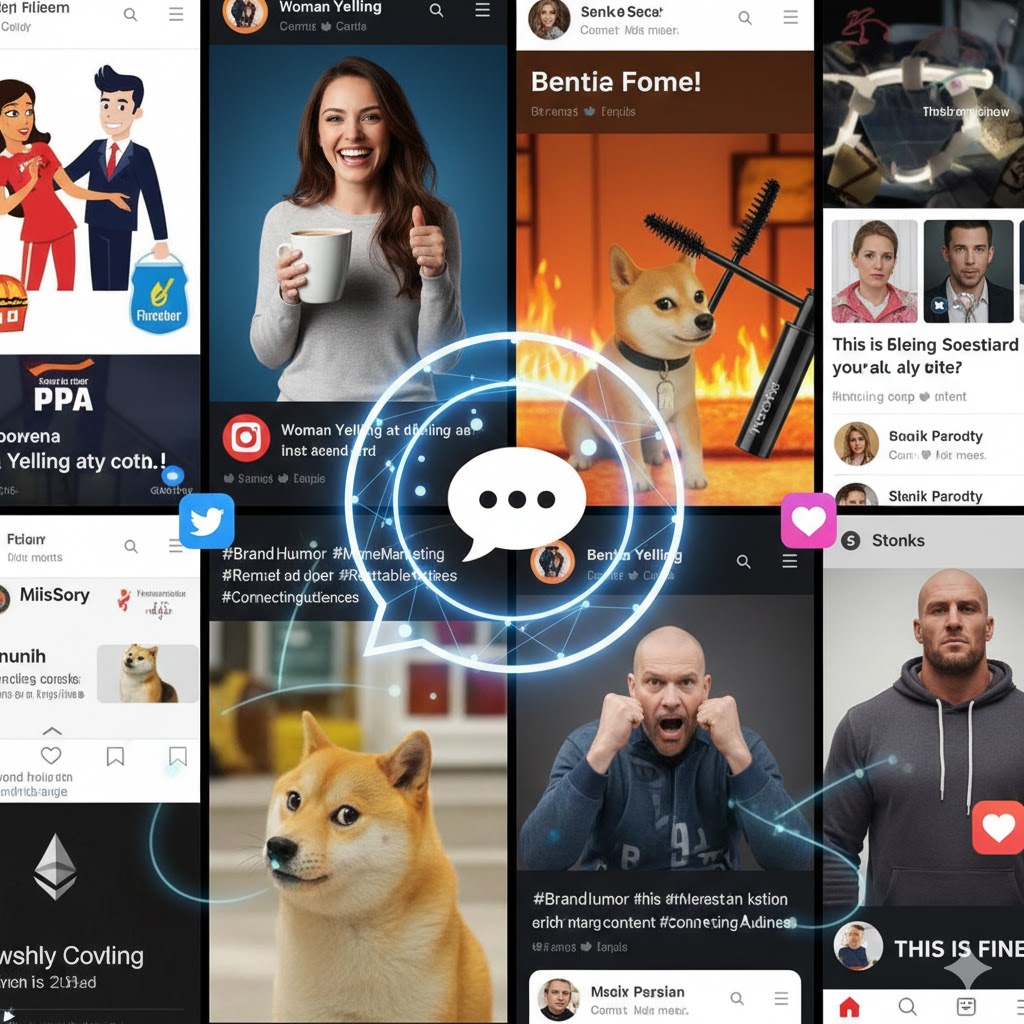
In today’s fast-paced digital world, memes have become more than just funny images on social media—they are a powerful marketing tool. Brands are now leveraging memes to engage audiences, humanize their messaging, and stay relevant in a culture that thrives on humor and relatability. Among social media platforms, TikTok and Instagram are leading the way in meme-based marketing. But how are brands using memes differently on each platform? Let’s explore.
What Makes Memes Powerful for Marketing?
Before diving into platform-specific strategies, it’s important to understand why memes work so well for brands.
Relatability: Memes often reflect everyday life, cultural trends, or current events, making them instantly relatable.
Shareability: Memes are designed to be shared. A well-crafted meme can reach thousands—or even millions—organically.
Engagement: Humor and clever messaging spark comments, likes, and shares, increasing audience interaction.
Authenticity: Memes help brands communicate in a casual, human tone that resonates with younger audiences.
By using memes, brands can move away from traditional advertising and create content that feels organic, fun, and community-driven.
TikTok Memes: Viral Trends and Creative Storytelling
TikTok has become the hub for viral content, and memes are at the heart of this phenomenon. Here’s how brands are using memes on TikTok:
1. Leveraging Trends and Challenges
TikTok thrives on trends. Whether it’s a viral dance, sound clip, or challenge, brands can jump on trending memes to increase visibility. For example:
A coffee brand might use a trending audio clip to create a funny meme about needing caffeine in the morning.
Fashion brands can participate in viral transformation challenges to showcase new collections humorously.
By riding these trends, brands tap into TikTok’s algorithm, which favors content aligned with popular memes and challenges.
2. Short-Form Storytelling
TikTok’s format encourages creativity in under 60 seconds. Brands are using memes as mini-stories that connect emotionally with viewers. For instance, a skincare brand might post a meme showing “expectation vs reality” moments, highlighting the effectiveness of their products humorously.
3. User-Generated Memes
TikTok users are incredibly creative. Some brands encourage their followers to create memes featuring products or services, often through branded hashtags. This approach amplifies reach, engages audiences directly, and builds a community around the brand.
Instagram Memes: Visual Appeal and Engagement
While TikTok focuses on dynamic video memes, Instagram has its own unique approach, blending visual and static content.
1. Meme Pages and Reposts
Instagram meme pages are hugely popular, and brands often collaborate with these pages to reach target audiences. A funny, shareable post about everyday struggles related to a product can drive engagement without feeling like direct advertising.
2. Stories and Reels
Instagram Stories and Reels offer brands the chance to experiment with meme formats in a digestible way. Short, humorous Reels or animated memes allow brands to reach a wider audience and increase shares. For example, a travel brand could create a Reel meme about packing fails, engaging users with humor and relatability.
3. Branded Humor and Lifestyle Content
Brands on Instagram often use memes to reinforce their identity. Lifestyle brands, fashion labels, and even tech companies employ memes to showcase their personality while remaining relevant in the social feed. Consistency in tone helps users connect emotionally with the brand over time.
TikTok vs Instagram: Key Differences in Meme Marketing
Understanding how meme strategies differ between TikTok and Instagram helps brands create tailored campaigns.
|
While TikTok is perfect for rapid trend-jumping and viral reach, Instagram shines in brand personality, aesthetic-driven humor, and long-term engagement.
Tips for Brands Using Memes
Whether on TikTok or Instagram, brands should follow these best practices for successful meme marketing:
Know Your Audience: Memes resonate differently across age groups, cultures, and communities. Study your audience before posting.
Stay Relevant: Jump on trends quickly. Memes have a short life span—timing is crucial.
Be Authentic: Forced memes feel awkward. Use humor that aligns with your brand voice.
Encourage Sharing: Create content that users want to share with friends to increase organic reach.
Track Engagement: Monitor which memes perform best and iterate based on analytics.
Common Mistakes to Avoid
Even though memes are fun, brands must avoid pitfalls:
Overusing Memes: Not every post should be a meme. Balance humor with valuable content.
Missing the Context: Misinterpreting a meme can lead to backlash or confusion.
Ignoring Platform Differences: TikTok and Instagram audiences engage differently. Use platform-specific strategies.
Memes are no longer just a playful distraction—they are a strategic tool that connects brands with audiences in an authentic, relatable way. While TikTok is ideal for viral trends, short storytelling, and user-generated content, Instagram excels in visual humor, lifestyle-oriented memes, and long-term engagement. Brands that understand these differences and use memes thoughtfully can strengthen their connection with audiences, boost engagement, and enhance brand personality.
In a digital landscape where authenticity and relatability reign supreme, memes are a simple but powerful way to make brands feel human—and memorable.
FAQs: TikTok vs Instagram Meme Marketing
Q1. Can any brand use memes effectively?
Yes, but the brand must align the meme content with its voice and audience. Humor should feel natural, not forced.
Q2. Which platform is better for meme marketing—TikTok or Instagram?
It depends on your goals. TikTok is better for virality and trend engagement, while Instagram works well for brand personality and visual storytelling.
Q3. How often should brands post memes?
There’s no fixed rule. Start with 1-3 meme posts per week and monitor engagement. The key is quality and relevance, not quantity.
Q4. Are user-generated memes effective?
Absolutely. Encouraging followers to create memes can increase reach, engagement, and brand loyalty.
Q5. What’s the main mistake brands make with memes?
The biggest mistake is forcing memes that don’t fit the brand voice, which can seem inauthentic and harm credibility.