

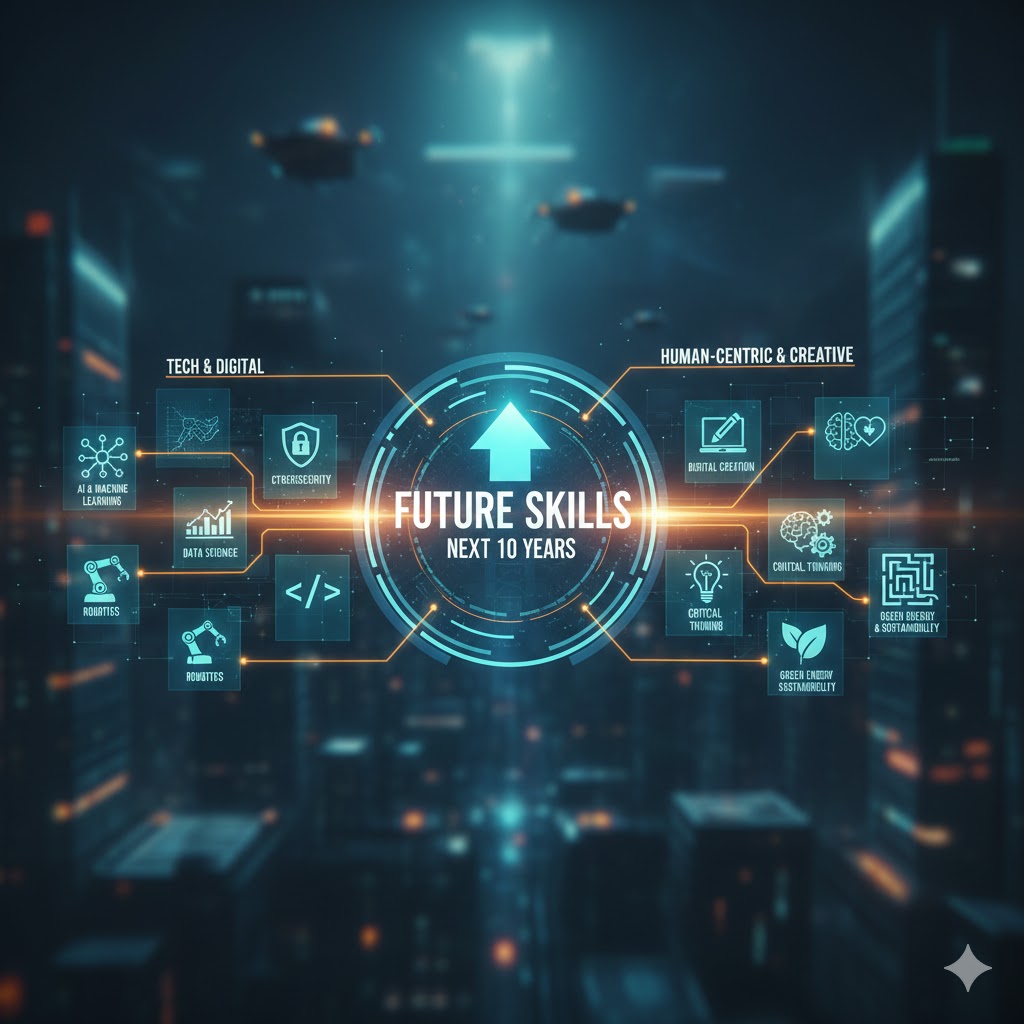
Skills That Will Be in Demand Over the Next 10 Years
In today’s fast-changing world, technology, automation, and globalization are shaping the future of work. To stay relevant and succeed in your career, it’s important to understand which skills will be in high demand in the next decade. Whether you are a student, professional, or entrepreneur, building the right skill set can open doors to exciting opportunities.
In this article, we’ll explore the most valuable skills to learn, why they matter, and how they can help you thrive in the years to come.
Why Skills Matter More Than Ever
The workplace is evolving rapidly. Jobs that existed a few years ago are changing, and many traditional roles are being automated. Companies now look for employees who can adapt, think critically, and solve complex problems.
Skills, rather than degrees alone, are becoming the key to long-term career success. By learning the right skills today, you can stay ahead of the curve and secure opportunities in growing industries.
Top Technical Skills in Demand
1. Data Analysis and Data Science
Data is called the new oil, and for a good reason. Companies collect massive amounts of information, and they need professionals who can interpret it.
What it involves: Collecting, analyzing, and interpreting data to help make business decisions.
Why it’s in demand: Every sector, from healthcare to finance, relies on data to improve efficiency and strategy.
How to get started: Learn tools like Excel, SQL, Python, and Tableau.
2. Artificial Intelligence and Machine Learning
Artificial intelligence (AI) is no longer science fiction—it’s in everyday life. From chatbots to self-driving cars, AI is transforming industries.
What it involves: Developing algorithms and systems that can learn, predict, and automate tasks.
Why it’s in demand: Businesses want to improve efficiency, personalize services, and innovate.
How to get started: Study Python, R, TensorFlow, and neural networks.
3. Cybersecurity
As more businesses go digital, protecting sensitive data is critical. Cybersecurity experts are essential for safeguarding information from threats.
What it involves: Protecting networks, systems, and data from cyber attacks.
Why it’s in demand: The rise of remote work and online services increases vulnerability to cyber threats.
How to get started: Gain certifications like CompTIA Security+, CEH, and CISSP.
4. Cloud Computing
Cloud technology is the backbone of modern businesses. Companies rely on cloud services for storage, computing, and collaboration.
What it involves: Managing cloud infrastructure, deploying applications, and ensuring security.
Why it’s in demand: Businesses are moving away from on-premise servers to cloud-based solutions.
How to get started: Learn AWS, Microsoft Azure, Google Cloud, and DevOps basics.
Soft Skills That Will Never Go Out of Style
Technical skills are important, but soft skills often determine long-term career success.
1. Critical Thinking and Problem Solving
Employers value employees who can think independently and find solutions.
What it involves: Analyzing situations, evaluating options, and making smart decisions.
Why it’s in demand: Automation can handle routine tasks, but humans are needed for creative problem-solving.
How to improve: Practice analyzing case studies, play strategic games, and seek feedback.
2. Communication Skills
Strong communication helps you share ideas clearly and collaborate effectively.
What it involves: Writing, speaking, and presenting ideas in a clear and persuasive way.
Why it’s in demand: Teams are often diverse and remote, making clear communication essential.
How to improve: Join public speaking clubs, write regularly, and practice active listening.
3. Emotional Intelligence
Understanding and managing emotions—both your own and others’—is increasingly valuable.
What it involves: Building empathy, managing stress, and maintaining positive relationships.
Why it’s in demand: Teams with high emotional intelligence are more productive and cohesive.
How to improve: Practice mindfulness, learn conflict resolution techniques, and seek mentorship.
4. Adaptability and Continuous Learning
Change is constant, and employees who can learn new skills quickly are highly sought after.
What it involves: Staying flexible, open to feedback, and proactive in learning.
Why it’s in demand: Technology and market trends shift rapidly; adaptability ensures long-term relevance.
How to improve: Take online courses, attend workshops, and stay updated on industry trends.
Skills for Emerging Industries
Some skills are tied to specific growing sectors that will shape the next decade.
1. Renewable Energy and Sustainability
With climate change and environmental concerns, renewable energy is booming.
Skills in demand: Solar and wind energy technology, environmental engineering, and sustainable design.
Opportunities: Green construction, sustainable business consulting, and energy-efficient product development.
2. Healthcare and Biotechnology
Aging populations and medical innovations are driving demand for healthcare skills.
Skills in demand: Telemedicine, genomics, bioinformatics, and healthcare management.
Opportunities: Hospitals, research labs, pharmaceutical companies, and health tech startups.
3. Digital Marketing and E-Commerce
Online business is growing faster than ever, creating demand for marketing-savvy professionals.
Skills in demand: SEO, social media marketing, content creation, and data-driven marketing strategies.
Opportunities: Startups, brands, agencies, and freelance consulting.
How to Prepare for the Future
Invest in Lifelong Learning: Stay curious and take courses to build new skills.
Network and Collaborate: Connect with professionals in your industry for opportunities and mentorship.
Balance Technical and Soft Skills: Employers look for well-rounded individuals who can adapt and collaborate.
Stay Updated: Follow trends in technology, business, and the global job market.
FAQs
Q1. Which skills will be most valuable in 2035?
Skills in AI, data analysis, cybersecurity, cloud computing, and sustainability are expected to be highly valuable. Soft skills like problem-solving, communication, and emotional intelligence will remain essential.
Q2. How can I choose which skill to learn first?
Start with your interests and career goals. Look for skills in industries that are growing and align with your strengths. Combining a technical skill with strong soft skills is often the best approach.
Q3. Are soft skills more important than technical skills?
Both are important. Technical skills get your foot in the door, but soft skills determine your growth, leadership, and adaptability in a fast-changing workplace.
Q4. Can I learn these skills online?
Yes! Many platforms offer online courses, certifications, and practical projects. Websites like Coursera, Udemy, and LinkedIn Learning provide flexible learning options.
Q5. How do I stay relevant as jobs change?
Be proactive about learning, attend workshops, read industry news, and adapt to new tools and technologies. Staying curious and open to change is key.
The next ten years will bring rapid changes in technology, business, and society. By focusing on both technical and soft skills, you can prepare yourself for a successful and fulfilling career. Skills like data analysis, AI, cybersecurity, critical thinking, and emotional intelligence will give you a competitive edge.
Remember, learning is a lifelong journey. Investing in the right skills today will help you adapt, grow, and thrive in a world full of opportunities. Start early, stay consistent, and you’ll be ready for whatever the future holds.