

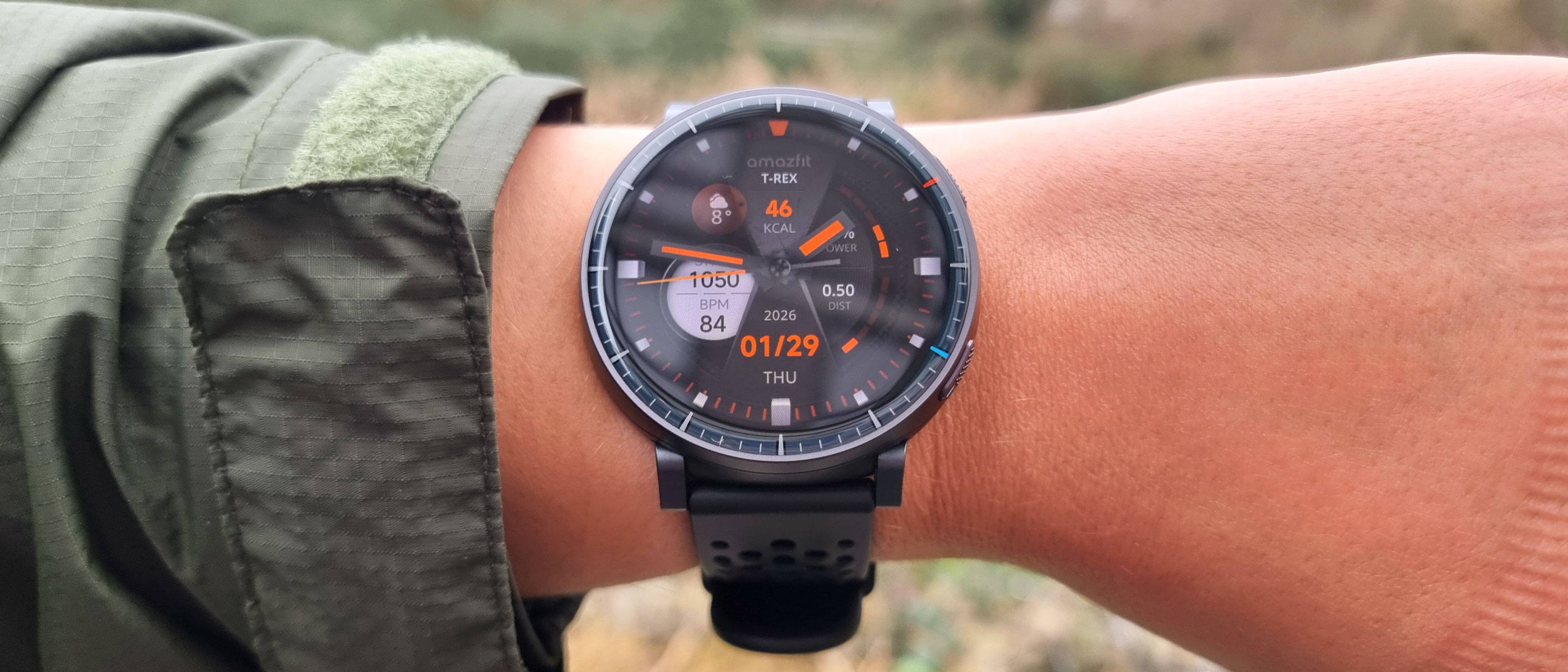
Smartwatch Review: Is It Worth Buying for Daily Use?
Smartwatches have become one of the most popular tech accessories in recent years. You can see them everywhere — in offices, gyms, classrooms, and even at formal events. But many people still wonder: Is a smartwatch really worth buying for daily use, or is it just another expensive gadget?
In this detailed review, we will explore everything you need to know — features, benefits, drawbacks, battery life, health tracking, and whether a smartwatch can truly replace your regular watch or even reduce phone usage.
Introduction
A smartwatch is more than just a digital watch. It connects to your smartphone and brings many of its features directly to your wrist. From checking messages and tracking fitness to making calls and controlling music, a smartwatch promises convenience and productivity.
However, not everyone needs one. The real value depends on your lifestyle, daily routine, and expectations from technology. This article will help you decide whether a smartwatch is a smart investment for everyday use.
What Is a Smartwatch?
A smartwatch is a wearable device that looks like a wristwatch but works like a mini smartphone. It connects to your phone via Bluetooth or Wi-Fi and displays notifications, apps, and useful information.
Common Functions of a Smartwatch
Time and date display
Call and message notifications
Fitness and activity tracking
Heart rate monitoring
Sleep tracking
Music control
GPS navigation
Weather updates
Alarm and reminders
Some advanced models even support mobile payments, voice assistants, and independent calling without a phone.
Benefits of Using a Smartwatch Daily
1. Quick Access to Notifications
One of the biggest advantages is convenience. Instead of constantly checking your phone, you can glance at your wrist.
You can instantly see:
Incoming calls
WhatsApp or SMS messages
Emails
Social media alerts
Calendar reminders
This is especially helpful during meetings, workouts, driving, or when your phone is in your bag.
2. Health and Fitness Tracking
Smartwatches are excellent fitness companions. They encourage users to stay active and monitor their health throughout the day.
Most smartwatches track:
Steps taken
Calories burned
Distance walked or run
Heart rate
Blood oxygen level (SpO2)
Stress levels
Sleep patterns
Some even provide workout modes for running, cycling, swimming, yoga, and strength training.
For people trying to lose weight or maintain a healthy lifestyle, this feature alone can make a smartwatch worth buying.
3. Improved Productivity
A smartwatch can help you manage your time better.
You can:
Set reminders
Check your schedule
Use timers and alarms
Receive meeting alerts
Control presentations remotely
These small features add up and make daily life more organized.
4. Hands-Free Calling and Voice Commands
Many smartwatches allow you to answer calls directly from your wrist. This is useful when:
Driving
Cooking
Exercising
Carrying bags
Walking outdoors
Voice assistants also let you set reminders, send texts, or search information without touching your phone.
5. Music Control on the Go
You can change songs, adjust volume, or pause music without taking out your phone. This is especially convenient during workouts or travel.
Some models even store music internally, so you can listen using wireless earbuds without carrying your phone.
6. Navigation and Travel Assistance
GPS-enabled smartwatches provide directions while walking, cycling, or driving. You can follow routes without constantly checking your phone screen.
Travelers also benefit from:
Flight alerts
Weather updates
Local time adjustments
Location tracking
Drawbacks of Using a Smartwatch
While smartwatches offer many benefits, they are not perfect.
1. Battery Life Limitations
Unlike traditional watches that run for years, most smartwatches need charging every 1–7 days depending on usage.
Heavy features like GPS, always-on display, and calling drain the battery faster.
2. Dependence on Smartphone
Many functions require connection to your phone. Without it, the smartwatch becomes limited.
Although some models support SIM or eSIM, they are more expensive.
3. Small Screen Size
Typing long messages or reading detailed content can be difficult on a tiny screen. It is best for quick interactions rather than deep usage.
4. Price Range
Smartwatches vary widely in price. Budget options are affordable, but premium models can be quite expensive.
If you only need basic time display, a smartwatch may feel unnecessary.
Who Should Buy a Smartwatch?
A smartwatch is ideal for people who:
Fitness Enthusiasts
If you exercise regularly, track workouts, or want to improve health habits, a smartwatch can be very helpful.
Busy Professionals
Those who attend meetings, manage schedules, or need quick notifications without phone distraction will benefit greatly.
Students
Students can use reminders, alarms, and fitness tracking to stay organized and active.
Travelers
Frequent travelers can enjoy navigation, weather updates, and time zone adjustments.
Who Might Not Need One?
You may not need a smartwatch if:
You prefer simple devices
You rarely check notifications
You don’t care about fitness tracking
You dislike charging gadgets often
You only need a watch for time
For such users, a traditional watch may be a better choice.
Smartwatch vs Traditional Watch
|
Smartwatches focus on functionality, while traditional watches focus on simplicity and elegance.
Tips for Choosing the Right Smartwatch
If you decide to buy one, consider the following:
Compatibility
Make sure the watch works smoothly with your smartphone (Android or iPhone).
Battery Life
Choose a model that suits your charging habits.
Health Features
Select the sensors you need, such as heart rate, sleep tracking, or SpO2.
Comfort and Design
Since you will wear it daily, it should feel comfortable and look good.
Water Resistance
Useful for swimming, rain, or sweaty workouts.
Budget
Set a realistic budget and avoid paying for features you will never use.
Are Budget Smartwatches Worth It?
Yes, many affordable smartwatches offer excellent features for daily use. While they may lack advanced apps or premium build quality, they still provide:
Basic health tracking
Notifications
Long battery life
Stylish designs
For beginners, a budget smartwatch is a great starting point.
So, is a smartwatch worth buying for daily use? The answer depends on your lifestyle.
If you want convenience, health tracking, quick notifications, and better time management, a smartwatch can significantly improve your daily routine. It acts like a personal assistant on your wrist.
However, if you prefer simplicity and do not need smart features, a regular watch will serve you just fine.
Overall, for most modern users, especially those who are active or busy, a smartwatch is a valuable and practical gadget rather than just a luxury item.
FAQs
1. Can a smartwatch replace a smartphone?
No, it cannot fully replace a smartphone. It works best as a companion device that provides quick access to important features.
2. How long do smartwatches last?
Most smartwatches last 2–5 years depending on build quality, battery health, and software support.
3. Do smartwatches work without the internet?
Basic functions like time, steps, and alarms work offline. However, notifications, updates, and apps require internet connection.
4. Are smartwatches safe for health?
Yes, they are safe. The sensors use harmless light technology to measure health data.
5. Is a smartwatch useful for non-fitness users?
Absolutely. Even without workouts, features like reminders, notifications, calling, and time management make them useful for everyday life.