

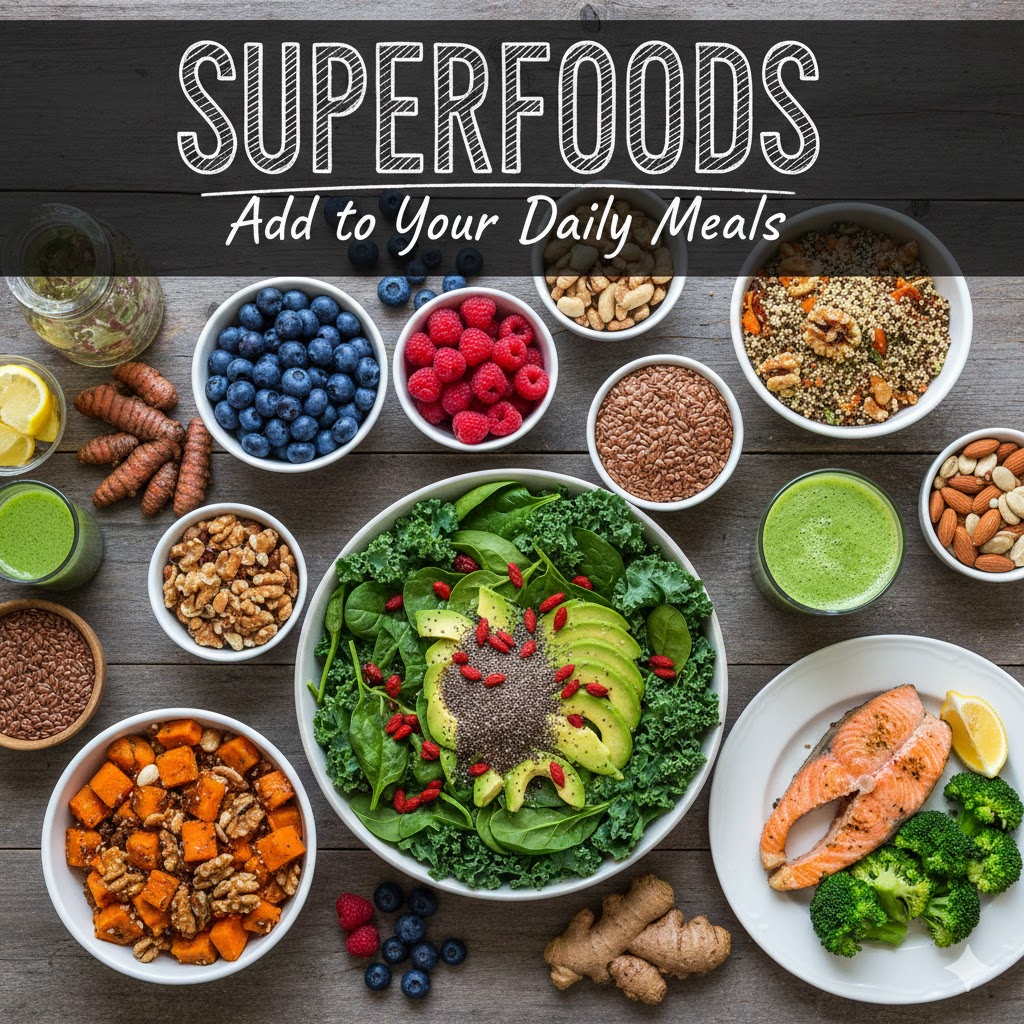
Superfoods You Should Add to Your Daily Meals
Eating healthy has never been more important than it is today. With busy lifestyles and processed foods dominating our diets, our bodies often miss out on essential nutrients. One way to boost your health and energy is by incorporating superfoods into your daily meals. Superfoods are nutrient-rich foods that provide multiple health benefits, from boosting immunity to improving heart health. In this article, we’ll explore the top superfoods you should include in your meals and how they can transform your health.
What Are Superfoods?
Superfoods are natural foods packed with vitamins, minerals, antioxidants, and other beneficial compounds. Unlike ordinary foods, they offer higher nutrient density, which means you get more nutrients per calorie. Including these foods in your diet can improve overall health, support weight management, and reduce the risk of chronic diseases.
Some common superfoods include fruits, vegetables, seeds, nuts, and certain grains. The best part? Many of them are easy to add to your daily meals.
Benefits of Adding Superfoods to Your Diet
Adding superfoods to your daily routine offers several benefits:
Boosts Immunity – Superfoods like citrus fruits and spinach help strengthen your immune system.
Improves Digestion – Foods high in fiber, such as chia seeds and oats, support healthy digestion.
Supports Heart Health – Fatty fish, nuts, and berries can improve heart health by reducing cholesterol.
Enhances Brain Function – Omega-3 fatty acids from fish and walnuts promote cognitive function.
Increases Energy Levels – Nutrient-dense foods provide sustained energy without sugar crashes.
Top Superfoods to Include in Your Daily Meals
Here’s a list of superfoods that are easy to add to your breakfast, lunch, or dinner.
1. Berries
Berries like blueberries, strawberries, and raspberries are rich in antioxidants and vitamins. They help fight inflammation, protect heart health, and may even reduce the risk of certain cancers.
How to use:
Add to yogurt or oatmeal for breakfast.
Blend into smoothies.
Eat them as a healthy snack.
2. Leafy Greens
Leafy greens such as spinach, kale, and Swiss chard are packed with vitamins A, C, K, and minerals like iron and calcium. They support bone health, improve digestion, and enhance immunity.
How to use:
Toss into salads.
Add to soups and stir-fries.
Blend into green smoothies.
3. Nuts and Seeds
Almonds, walnuts, chia seeds, and flaxseeds are excellent sources of healthy fats, protein, and fiber. They promote heart health, improve brain function, and help maintain a healthy weight.
How to use:
Sprinkle over yogurt or salads.
Add to smoothies or oatmeal.
Eat as a mid-day snack.
4. Avocado
Avocados are creamy, delicious, and full of healthy monounsaturated fats. They help lower bad cholesterol, improve skin health, and provide essential vitamins like E and C.
How to use:
Spread on toast.
Add to salads or wraps.
Blend into smoothies for a creamy texture.
5. Fatty Fish
Fatty fish like salmon, mackerel, and sardines are rich in omega-3 fatty acids, which are crucial for brain health and heart health. They also provide high-quality protein.
How to use:
Grill or bake with herbs and spices.
Add to salads or pasta dishes.
Include in sushi or poke bowls.
6. Quinoa
Quinoa is a complete protein source and rich in fiber, magnesium, and antioxidants. It helps regulate blood sugar, supports weight management, and improves digestion.
How to use:
Use as a rice substitute in meals.
Make quinoa salads with vegetables and herbs.
Include in soups and stews.
7. Greek Yogurt
Greek yogurt is packed with protein and probiotics that support gut health. It also contains calcium for strong bones and can help with weight management.
How to use:
Add to breakfast bowls with fruits and nuts.
Use as a base for smoothies.
Mix into sauces or dressings.
8. Sweet Potatoes
Sweet potatoes are a great source of complex carbohydrates, fiber, and vitamins A and C. They help improve vision, support immune function, and provide lasting energy.
How to use:
Roast or bake as a side dish.
Mash as a healthy alternative to regular potatoes.
Include in soups and stews.
9. Green Tea
Green tea is loaded with antioxidants called catechins, which boost metabolism, support heart health, and may reduce the risk of cancer.
How to use:
Drink a cup in the morning or afternoon.
Use as a base for smoothies.
Brew iced green tea for a refreshing drink.
10. Garlic
Garlic is known for its antibacterial and antiviral properties. It helps improve heart health, reduces inflammation, and boosts immunity.
How to use:
Add to soups, stir-fries, and sauces.
Roast whole cloves as a side dish.
Include in salad dressings for flavor and health benefits.
Tips for Adding Superfoods to Your Daily Routine
Start Small – Add one or two superfoods to your meals daily and gradually increase.
Mix and Match – Combine different superfoods in one meal for a nutrient boost.
Keep It Simple – Superfoods don’t need complicated recipes; even small additions help.
Plan Ahead – Prepare ingredients in advance to make it easier to include them in meals.
Frequently Asked Questions (FAQs)
1. What are the best superfoods for weight loss?
Berries, leafy greens, chia seeds, and Greek yogurt are excellent for weight management because they are nutrient-dense and low in calories.
2. Can superfoods replace a balanced diet?
No. Superfoods complement a balanced diet but cannot replace it. A variety of foods is essential for overall nutrition.
3. How often should I eat superfoods?
Try to include at least 3–5 servings of superfoods daily. Variety ensures you get a range of nutrients.
4. Are superfoods expensive?
Some superfoods like quinoa or berries can be pricey, but alternatives like leafy greens, garlic, and sweet potatoes are affordable and widely available.
5. Can children eat superfoods?
Yes. Most superfoods are safe for children and can help support growth and immunity. Always introduce new foods gradually.
Incorporating superfoods into your daily meals is a simple yet powerful way to improve your health. From berries and leafy greens to fatty fish and Greek yogurt, these nutrient-rich foods provide multiple benefits, including better immunity, heart health, digestion, and energy levels. Start small, experiment with different combinations, and gradually make superfoods a regular part of your diet. Over time, you’ll notice improvements in your energy, mood, and overall well-being.
Eating healthy doesn’t have to be complicated. With the right superfoods, every meal can be a step toward a healthier and more vibrant life.