
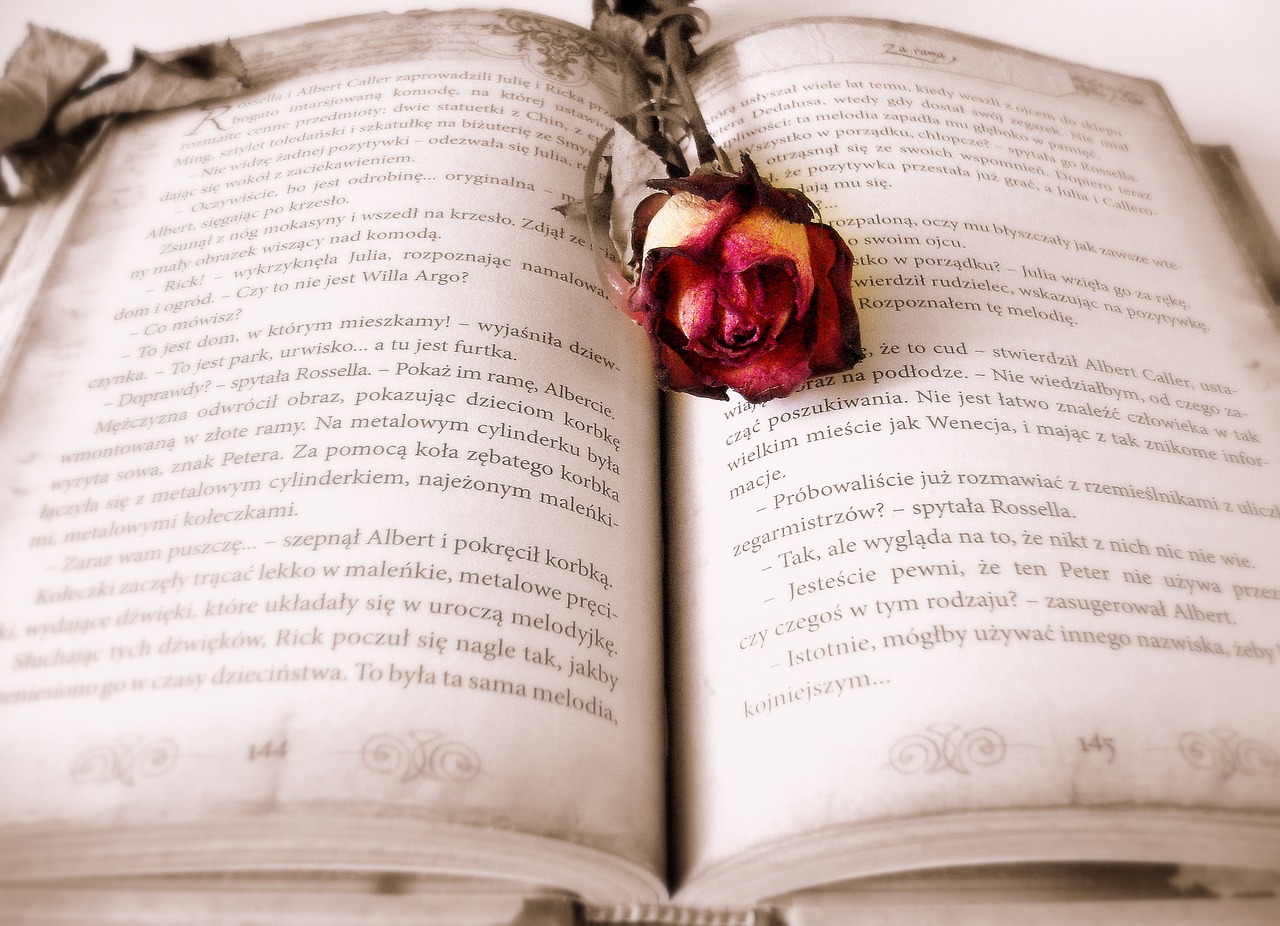
For thousands of years, books have played a role in cultures throughout human civilization. From clay tablets and papyrus scrolls, books have contained knowledge, stories, and ideas across generations and cultures. And although the world continues to change and develop and there are myriad entertainment options out there, books (both fiction and non-fiction) continue to exist as an option for us, though all the (technological) advancements. They educate us, inspire us, and change us; books are one of the best things that we've invented as humans.
A Short History of Books
Some of the first 'books' were likely clay tablets from Mesopotamia and papyrus scrolls from Egypt that recorded knowledge. Writing systems were developed, and one of the most notable to develop was the one utilized for the first piece of literature we have access to, the "Epic of Gilgamesh".
The first printing press from Johannes Gutenberg is noted as the first industry revolution that provided the political economy of books in the 15th century through mass production of reliable, accessible, and affordable books.Books have been an important aspect of human civilization for centuries. From ancient scrolls to digital eBooks, books have preserved knowledge, told stories, and shared ideas across generations and cultures. As the world changes and new technology and entertainment options arise, books still exist among all the options available to us. They inform us, inspire us, and transform us, making them one of the best things that humanity has invented.
A Brief History of Books
The earliest versions of books were clay tablets from Mesopotamia and papyrus scrolls from Egypt that recorded knowledge. Writing systems were designed, and of particular significance was the writing system used for the earliest known literature, known as "The Epic of Gilgamesh".
The earliest printing press by Johannes Gutenberg revolutioned the industry of bookmaking in the 15th century by making books reliably accessible, affordable, and plentiful. New books emerged more frequently, literacy rose, and ideas spread. This informed the Renaissance and Enlightenment eras.
Types of Books
Books exist in every genre and style possible appealing to every level of reader and interests:
Fiction: Stories, novels, and dramas which tell made-up events and people. Ex: Myster, romance, fantasy, sci-fi.
Non-fiction: Books that are necessarily based on factual material such as biography, history, science, self-help.
Textbooks and academic books: Used in school and universities, and for that purpose specifically.
Children's books: These books are useful to educate and entertain children, usually illustrated.
Graphic novels and comics: An interesting mixture of art and story.
The Advantages of Reading Books
There are many advantages to reading books in terms of the mental and emotional aspects:
Enhanced Education and Vocabulary: Reading books, no matter the content, puts new information, words and ideas into reader's minds, enhancing ones own speech and understanding.
Cognitive Exercise: Reading books requires the engagement of the reader's brain, which leads the reader to have better focus, finely timed concentration, and more properly processing functions and overall health.
Decrease in Stress: A good story can allow a reader to escape everyday stressors and anxiety that the readers may have in their lives.
Empathy and the ability to understand perspective: Reading fiction, and going through events through someone else's perspective, will cause the reader to exercise empathy, and emotional processing.
Improve Sleep: Reading a book before bedtime, especially a printed book, can tell the brain to rest and prepare for sleeping.
Books in a Digital World
While physical books and physical reading remain, eBooks and audiobooks have seen exponential growth in popularity. E-readers, like Kindle, and platforms like Audible, cater to busy people, while still allowing reading. Digital books are also more environmentally friendly than printed material because they save paper and take up less space.
Still, many readers prefer tactile elements and visual appeals of paper books.
Libraries and Bookstores:
Libraries and bookstores are both exist for the support of literacy and access to reading material. Libraries provide access to reading material and learning resources for no cost, bookstores employ and support authors and the publishing industry. Both libraries and bookstores have support most liberal arts communities and are both considered community engagement spaces that excite the love of reading.
Making Reading a Habit
Making reading a habit can be some of the best self-care we can invest in. Here are suggestions to create a reading habit:
Make time in your daily calendar to read.
Include genres or topics you like to read in your plan.
Join a book club or reading group.
Plan to visit libraries or bookstores on a regular basis.