

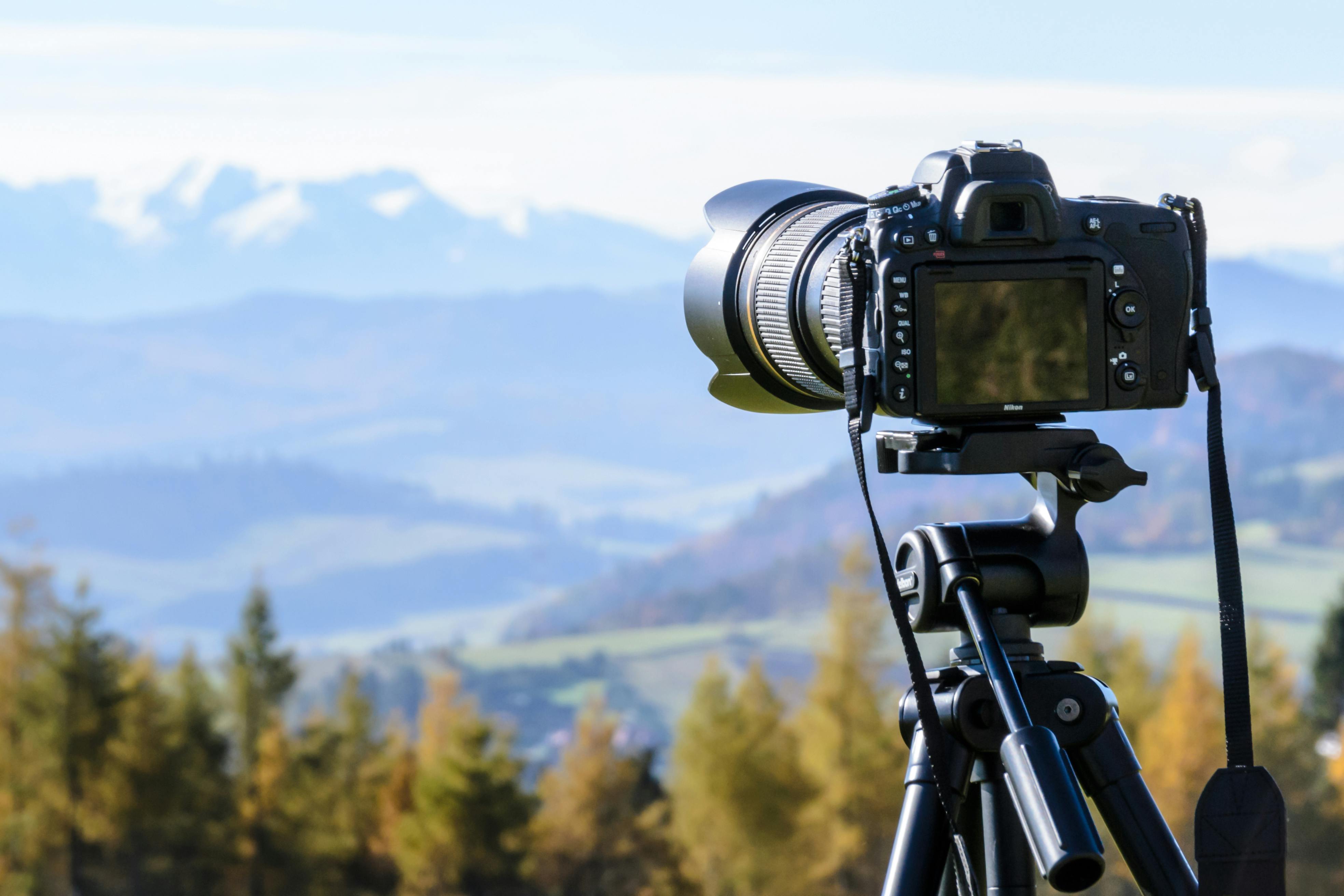
In a variety of ways, photography is an incredible vehicle for the environmental protection movement. Photography can be used not only to document the catastrophic effects of climate change, but it can also be used to show the unequalled beauty of nature in its purity. Photographers are recording images from all over the world, with the intention of showing others to, educate, inform, inspire awe, and ignite action.
Power in Image-Based Stories
Photography speaks a universal language. One photograph can provoke an emotional response, inspire reflection, or generate reactions. Environmental photography taps into the power of emotion to gain an increased degree of specificity and attention to significant and urgent environmental issues. A melting glacier, a hillside of logged trees, a sea turtle tangled in plastic—by employing emotional imagery, photographer transform overseas or abstract environmental problems into our personal sphere.We are more likely to act when we have an emotional connection to an issue. Photographers can create that emotional connection through powerful imagery, and transform concern into compassion—and compassion into action.
Documenting to Make the World Aware
Environmental photographers are crucial to document the state of the earth. Their photographs provide photgraphic documentation of the degradation of the earth and serve as historical records for our successors. Some particular areas where photography has impacted are:
Climate Change: Time-lapse and comparative photographs of glaciers, polar ice, and coastal erosion show a clear relationship with the social climate of warming the Earth.
Deforestation: Typically by way of aerial photographs, the clearing of forests offers visual evidence of the extent of destruction of habitat. The destruction typically comes through agriculture or logging.
Wildlife Conservation: Photographs of endangered species in their natural habitats (or under threat) draw attention to biodiversity loss.
Pollution: From plastic-choked rivers to smog-covered cities, photography brings the consequences of consumerism and industrial activity into sharp relief.
Famous Environmental Photography Projects
A number of high-profile photographers and campaigns have normalized environmental issues into the global conversation:
Sebastiao Salgado: His image series Genesis shows places that are isolated and innocuous, and reveal what might be lost.
Chris Jordan: Widely recognized for his efforts to publicize plastic pollution, especially his sorrow-provoking images of dead albatross chicks filled with plastic detritus.
National Geographic: There has been high quality environmental photography in front of hundreds of millions of readers over decades which has raised awareness and conservation.
Greenpeace and WWF: Both organizations employ photographers consistently to document environmental crisis, and use them in campaigns and reports.
Social Media Amplification
Environmental photography, in this digital age, is being shared and viewed like never before. Platforms like Instagram, Twitter, and Facebook have allowed photographers to showcase their work instantaneously with relevant accompanying text, such as a deeper explanation of the problem, or call to action.
Nutrition for thought is hashtag's such as #ClimateChange, #SaveThePlanet, and #WildlifePhotography, creates a community of interested parties, and promotes active involvement on a global level. Everyday citizen photographers with a smartphone can participate in the environmental movement by documenting issues in their neighborhoods and alert the world.
Photography as a Call to Action
Photography can, beyond simply inspire changes in public perception, promote actual change in the world. Here are ways to enact change:
Influencing Policy: Compelling photos that appear in news reports or as part of campaigns by not-for-profits can shape public perceptions, applying pressure to governments and ultimately changing policy.
Fundraising: Photo shows, calendars and prints can be sold to raise funds for conservation projects and environmental NGOs.
Educational Usage: Teachers and activists use photography in classrooms and presentations to address environmental science themes engagingly and preserved social relevance.
Community Empowerment: Locals with cameras can expose environmental injustices in their areas and provide access to bigger platforms to have their voices amplified.
Ethical Considerations in Environmental Photography
While photography can be very effective, it also comes with responsibilities.
Minimize disturbance to wildlife and ecosystems for the sake of a shot.
Be honest—don’t stage or overly manipulate images in misleading ways.
Give credit and context, especially when photographing indigenous communities or protected lands.
We should ethically tell stories so the message doesn't lose its credibility and respect.
How you can participate
You don't need to be a professional to help spread environmental awareness. Here's how anyone can help:
Start Local: Identify environmental issues or natural beauty in your community to document.
Be Aware of Your Sharing: Use your social media networks to help spread awareness and sharing misinformation.
Support Photographers: Follow environmental photographers and promote their work and relevant campaigns.
Educate Yourself: Identify the issues behind the photographs so you can be an informed advocate.